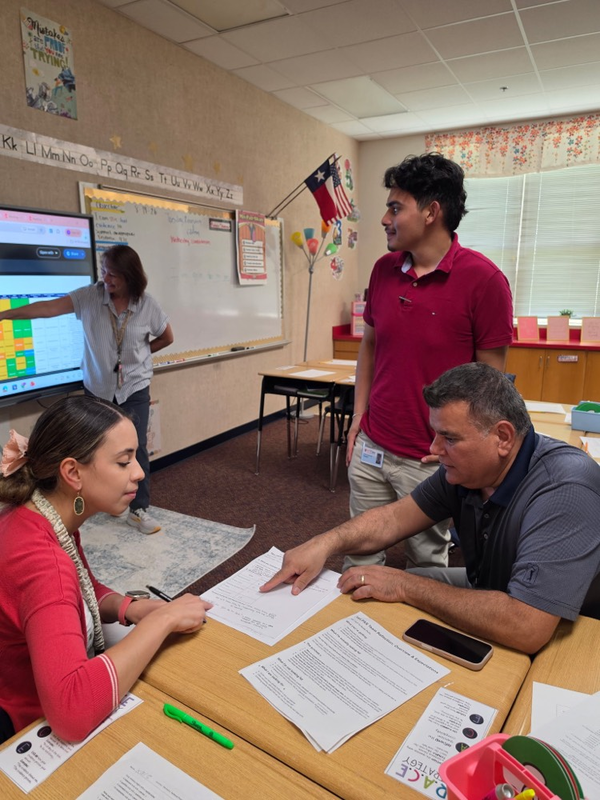
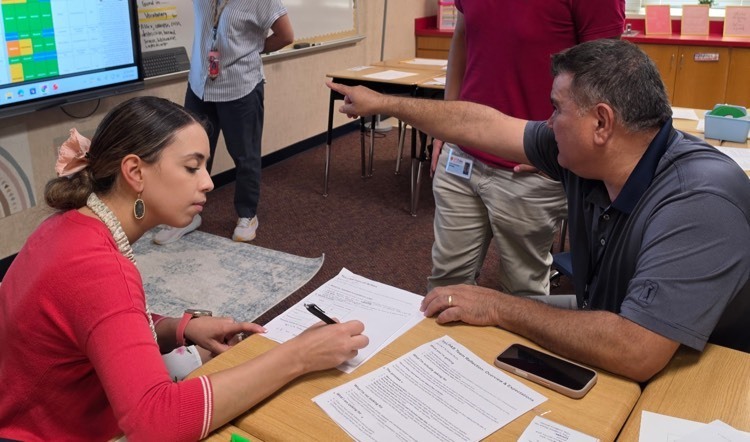
Professional Learning Communities, or PLCs, have become an important part of effective teaching and school improvement. PLCs give teachers dedicated time to work together, share ideas, analyze student learning, and develop strategies that help every student succeed.
Teaching can sometimes feel like an individual job, but PLCs remind educators that they do not have to work alone. When teachers collaborate, they can learn from one another’s experiences, identify challenges, and find solutions together. A teacher may bring a successful lesson idea to the group, while another may share a strategy for reaching a student who is struggling. This collaboration strengthens instruction across the campus.
One of the most valuable parts of a PLC is the opportunity to examine student data and work. Rather than simply asking whether a lesson was taught, teachers can ask an even more important question: Did students learn? By looking at assessments, student work, and other evidence, teachers can identify areas of strength and determine where students need additional support.
PLCs also help teachers create consistency for students. When educators teaching the same grade level or subject work together, they can establish common expectations, discuss instructional strategies, and develop assessments that accurately measure learning. This ensures that students have access to meaningful and aligned instruction regardless of which classroom they are in.
Another benefit of PLCs is professional growth. Teachers are constantly learning, and collaboration provides an opportunity to learn from colleagues who may have different experiences, strengths, and perspectives. PLCs can introduce educators to new instructional strategies, technology tools, classroom management techniques, and ways to engage students.
Perhaps most importantly, effective PLCs keep the focus on students. The purpose is not simply to hold another meeting or complete another task. The goal is to determine what students need, how teachers can respond, and whether those efforts are making a difference.
When teachers collaborate with purpose, everyone benefits. Teachers feel supported, instruction becomes stronger, and students receive more intentional opportunities to learn and grow.
PLCs are more than meetings—they are a commitment to teamwork, continuous improvement, and student success.